// CASE STUDY : MARKETPLACE : OFFLINE : 2026
Thrifto
The supply and the demand were already sitting in the same buildings, with no mechanism between them.
₹10K
first stall revenue, one day
20 of 30
consigned items sold
₹3-5K
kept by Thrifto
1 weekend
idea to market
The problem
Students throw out clothes while other students buy new ones, fifty metres away.
Campus has dense, concentrated supply - wardrobes full of things people no longer wear - and equally dense demand, in the same buildings, on the same budget. What it did not have was any mechanism to move one to the other.
My thinking
Every channel we wanted was on the table. The question was which one could prove there was a market before anyone wrote a line of code.
The solution
Sellers name a price. We sell above it if we can. Nobody gets paid until something sells.
A seller hands over an item with the price they want for it. When it sells, they get 80% of their own asking price and Thrifto keeps the other 20%. We were free to list it higher than their ask, and anything above it was ours too - so the seller's payout is fixed and predictable, and our upside depends on pricing well.
That split the economics into two parts: a guaranteed cut on every sale, and a markup that rewards knowing the buyer better than the seller does. The 20% keeps the lights on. The markup is where the pricing work pays.
DECISION 01
Pay sellers on their price, not ours
Sellers trust a number they chose. A cut of a price we set later would have felt like we were moving the goalposts.
Payout is 80% of the seller's ask, whatever we sell it for, so every conversation at intake was one sentence long.
DECISION 02
Price each item by eye, not by formula
Thirty items across brands and conditions do not fit a flat markup. A branded jacket and a plain tee should not get the same percentage.
A per-item call on brand and condition, at roughly ₹500 an item on average, carried Thrifto's take to ₹3-5K of the ₹10K - well above the 20% floor.
DECISION 03
Bundle the slow items, do not discount them
Some prices were plainly too high by the afternoon. Cutting them one by one trains buyers to wait.
Slow movers were paired into bundle deals, which kept prices on the rack intact and still moved stock that was not going to sell alone.
Execution
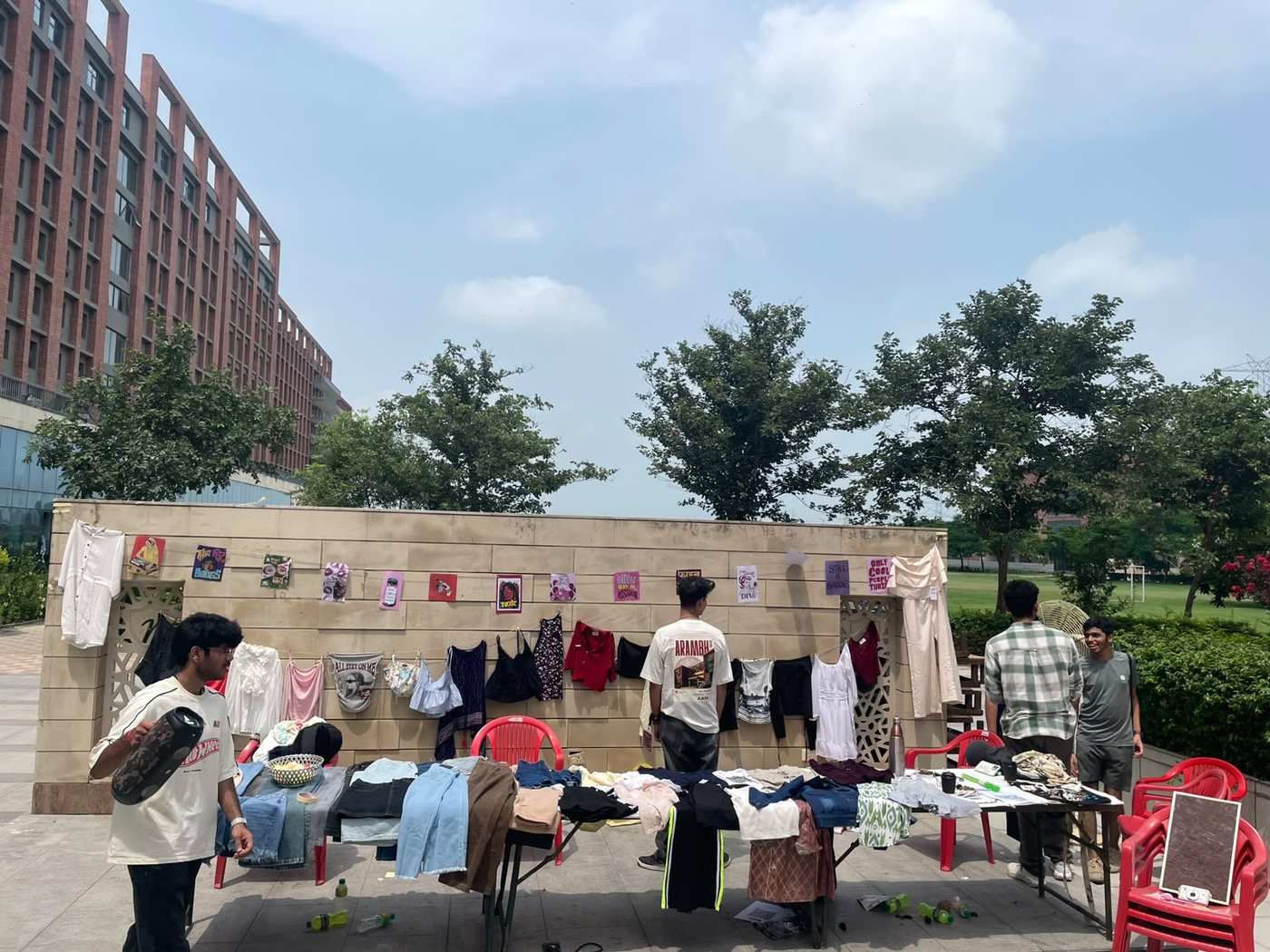
A weekend from idea to rack, with four to six of us and no inventory budget.
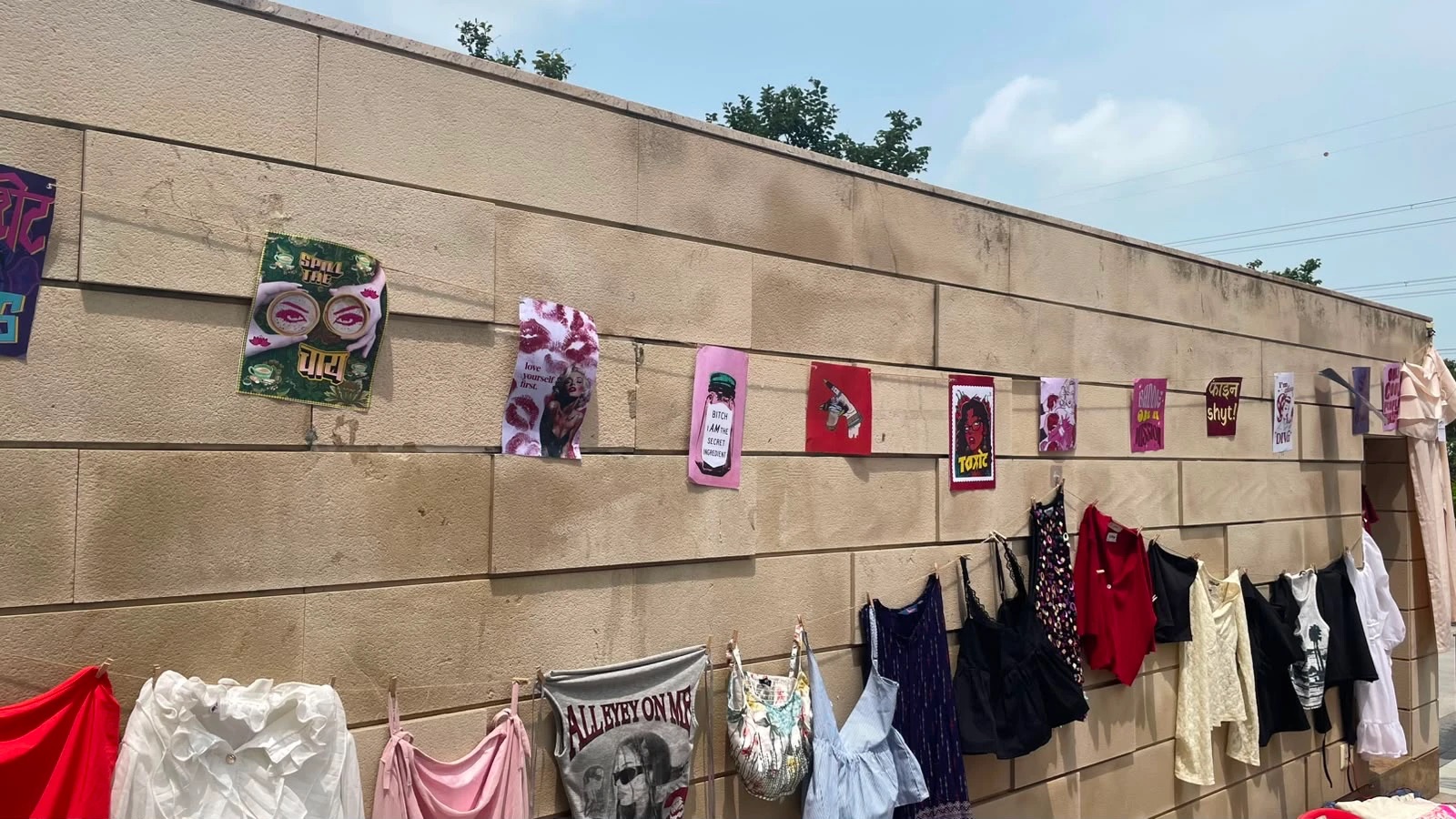
Supply came from the places students already talk: batch and hostel WhatsApp groups, friends asked directly, and a Google Form that captured each item, its asking price and the seller's contact. Every item got a tag tied to a row in a spreadsheet, so a sold tag could be matched back to the person owed money.
The stall ran for one day at orientation. Payment was almost entirely UPI off a QR code at the table. Twenty of the thirty items sold; the other ten went back to their sellers, which is the consignment promise kept. The weak point was reconciliation - matching sold tags to spreadsheet rows to payouts after the day ended was slower and messier than the selling itself.
- MODEL
- Consignment : seller paid 80% of ask
- TAKE
- 20% of ask + any markup above it
- SOURCING
- WhatsApp groups : direct asks : Google Form
- TRACKING
- Spreadsheet + item tags
- PAYMENTS
- UPI, QR at the stall
- TEAM
- 4-6, Arthakram Product Squad
Impact
~₹10,000 IN SALES FROM THE FIRST STALL, ONE WEEKEND FROM IDEA
₹10K
first stall revenue, one day
20 of 30
consigned items sold
₹3-5K
kept by Thrifto
1 weekend
idea to market
~₹10K in sales in one day
Measured at the orientation stall, by putting real stock in front of buyers instead of building an app to find out whether they existed.
Two-thirds sell-through
Measured as 20 of 30 consigned items sold, by pricing each item on its own and bundling the slow ones rather than discounting across the rack.
₹3-5K kept, with zero inventory risk
Measured after paying out sellers, by structuring the deal as consignment with a fixed seller payout and a markup that was ours to earn.
What I learned
Prove the market before you build the marketplace. The app is still the plan - along with the Instagram page and the stall - but one day at a rack told us more about what students will pay than weeks of building would have, and it told us with money rather than opinions.
The operations break before the demand does. Pricing by eye overshot on a few items, and bundling saved them, but the real mess was reconciling tags to sellers afterwards. Before the stall goes fest to fest across campuses, tracking and payouts need to be a system, not a spreadsheet chased the next morning - which is exactly the job the app should do first.